strong on purpose: a science-led guide to training less and getting more
Train briefly. Recover deeply. Build a body that works — not just one that looks busy.
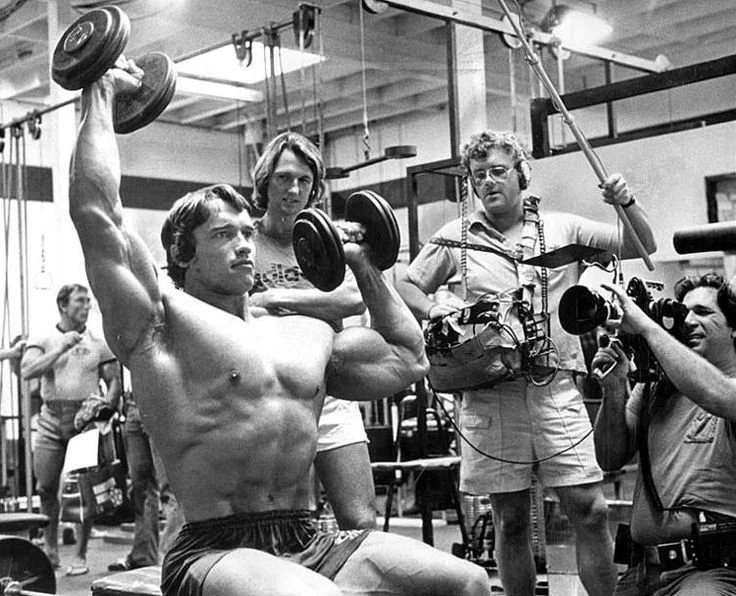
Arnold Schwarzenegger
1. Fitness, Health, and Strength Are Not the Same Thing
You can run far and still not be healthy. You can be lean and still experience metabolic stress. Real health isn’t measured in steps or miles — it’s defined by balance, adaptability, and recovery.
Endless cardio may improve endurance, but it often comes with a hidden cost: overuse, inflammation, and fatigue. By contrast, short, structured strength training helps the body move toward equilibrium. The goal isn’t to do more — it’s to adapt better.
2. Muscle Is Medicine
Muscle is far more than tissue for shape or strength — it’s a vital endocrine and metabolic organ. It stores glucose, regulates insulin, stabilises posture, and protects longevity. The more functional muscle you maintain, the longer your biological resilience.
Muscle is not built through hours of motion, but through focused tension and proper recovery. Each high-effort repetition acts as a biochemical signal to your body that says, “build back stronger.”
3. Intensity Is the Dose — Recovery Is the Cure
Exercise works like medicine: the correct dose heals, too much harms.
High-intensity resistance work — performed safely, slowly, and with complete control — engages the muscle fibres that drive growth, metabolism, and performance. This kind of training doesn’t require hours; it requires focus.
A 20–25 minute session once or twice per week, performed with honest effort and followed by deep recovery, can completely transform strength and metabolism. The key is not time — it’s quality.
4. The Power of the Big Five
A full-body workout doesn’t need to be complicated. You only need five essential movement patterns:
Leg Press or Squat – lower body and glutes
Chest Press or Push-Up – chest and shoulders
Pulldown or Row – back and arms
Overhead Press – shoulders and trunk
Core Work or Carry – stability and posture
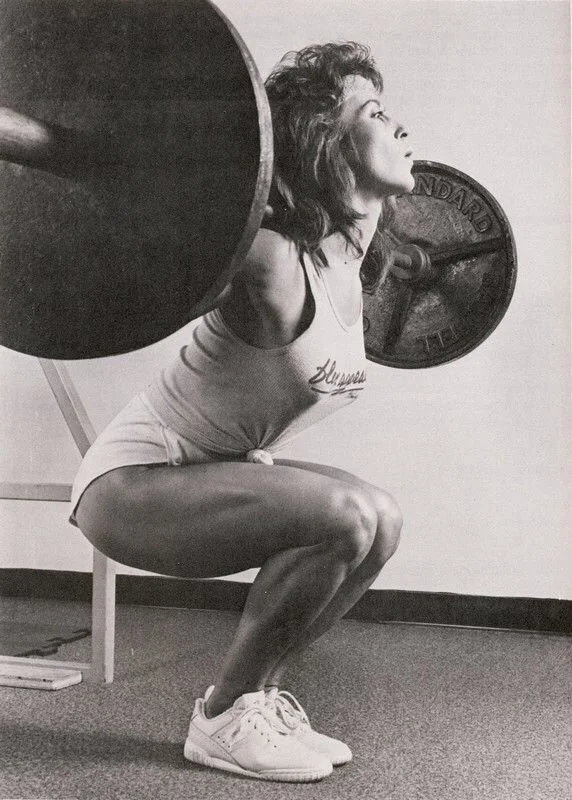
Move slowly — four seconds up, four seconds down — until the muscle can no longer move the weight with perfect form. That point of muscular fatigue is where the body receives the signal to adapt.
Train once or twice per week. Recover fully. Walk, stretch, and live actively in between.
5. Recovery: Where the Real Change Happens
Training breaks the body down; recovery rebuilds it.
Deep sleep, proper nutrition, sunlight, and stress reduction aren’t “extras” — they’re the foundation of progress. Muscle tissue repairs primarily during sleep, guided by growth hormone and protein synthesis. Without recovery, there is no adaptation.
In essence, you don’t grow while training — you grow while resting.
6. Redefining the Goal
Not everyone is built for the same shape or output — and that’s the beauty of biology. Genes determine our range; lifestyle determines our outcome.
The goal isn’t to chase a body you’ve seen on a screen — it’s to build the strongest, most balanced, and most capable version of your own. Train for health, energy, and strenght— the aesthetics will follow.
7. The Mediterranean Model of Movement
The Mediterranean lifestyle already holds the blue
Move daily, naturally.
Lift or challenge your body once or twice a week.
Eat real, colourful food.
Sleep in rhythm with light and darkness.
Let recovery be part of your culture, not a guilty pleasure.
It’s not about discipline — it’s about design.
Key Takeaway
You don’t need more time — you need better rhythm.
Train less. Move often. Sleep deeply. Recover fully.
That’s the science of strong.
Arnold, winning the Mr Olympia, was the last one out of many.
References
Momma, H. et al. (2022). Resistance training and all-cause mortality: a meta-analysis of cohort studies. British Journal of Sports Medicine.
MacInnis, M.J., Gibala, M.J. (2017). Physiological adaptations to interval training and the role of intensity. Sports Medicine.
Hwang, C.L. et al. (2022). Low-volume high-intensity interval exercise improves cardiorespiratory fitness and metabolic health. Frontiers in Physiology.
Morton, R.W. et al. (2019). A systematic review of muscle hypertrophy, protein synthesis, and resistance training frequency. Journal of Applied Physiology.
Dattilo, M. et al. (2021). Sleep and muscle recovery: molecular and hormonal pathways. Sleep Science.