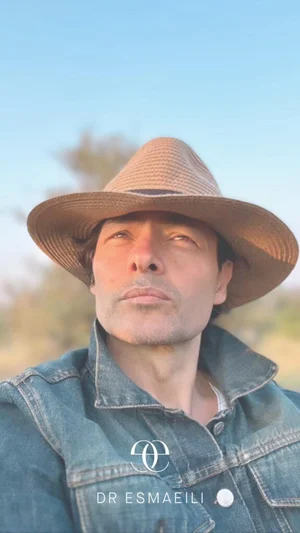
come back and pay next time
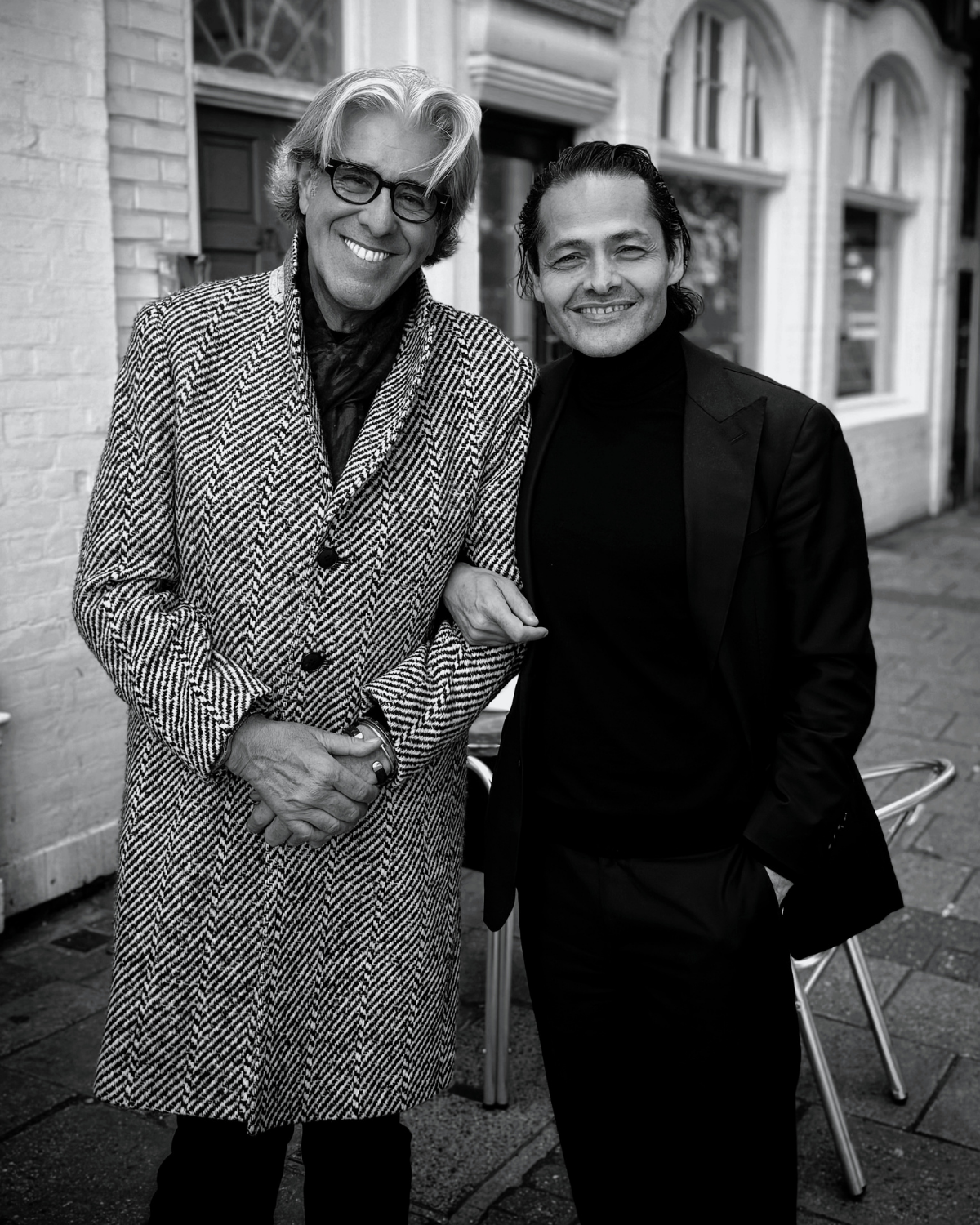
Dr Ali Esmaeili with Mimmo, the Naples-born pizzeria owner, arm in arm and smiling outside the restaurant in Hampstead — a nineteen-year friendship, in black and white.
A late-night pizza, a stranger’s trust, and the Mediterranean lesson at the heart of preventive medicine.
Nineteen years ago, during a night shift, I walked into a pizzeria in Hampstead at quarter to eleven. I was still in scrubs, halfway through the shift, and I hadn’t eaten. The place was closing — chairs going up, the oven cooling.The owner is called Mimmo. He is from Naples — generations of his family in food — and he could have turned me away. Every reason to. Instead he looked at me, fired the oven back up, and made me one last pizza.
When it was ready, I reached for my wallet. It wasn’t there — I’d left it at the hospital. I started to apologise. Mimmo just waved it off. “Don’t worry,” he said. “Come back and pay next time.”I came back. I’ve been coming back for nineteen years. One pizza, given on trust to a tired stranger, became a friendship that has outlasted jobs, houses, and most of the plans I once had for my life.
I think about that night often, because it holds something we are quietly losing — in medicine, and everywhere else. Mimmo didn’t run a check on me. He didn’t ask for proof, or a deposit, or a promise in writing. He read a tired man in scrubs and made a human decision: I’ll trust you.
That instinct — to give first, to assume the best, to extend trust before it is earned — is the foundation of every good team, every good hospital, every culture worth belonging to. It is also the first thing to disappear when people are frightened, overworked, or told to protect themselves above all. We have built a great deal of modern medicine on caution. We have built very little of it on trust. Mimmo had it the right way round.
There is a gentle irony in the story that I love him for. Mimmo sells the Mediterranean dream — the warmth, the long table, the food that is meant to keep you well. But like most of us, he doesn’t always live it. (We are still working on the cigarettes, my friend.) And that gap — between what we know is good for us and what we actually do — is the exact problem I have given my working life to.
I know that world a little from the inside. Before university I spent a year near Naples, at an Italian family’s table, and it taught me something no lecture did: the noise, the long lunch, the open door are not sentimental extras. In the places where people live the longest, community isn’t a lifestyle — it is the medicine. The Mediterranean way of eating and living is quietly one of the healthiest on earth, pizza and pasta and all, and I am not convinced it is the olive oil doing the heavy lifting. I think it is the table you sit at, and the people who expect you there.
“We do not have a knowledge problem. We have a living problem.”
Because we do not, for the most part, have a knowledge problem. We know that sleep matters, that movement is medicine, that real food and real friendship keep us alive longer and better. The science is settled, and most of it is free. What we have is a living problem. The distance between knowing and doing is where nearly all of health is quietly won or lost — in the small habits that either build us up or wear us down. No prescription closes that gap. Only small habits do, repeated until they become who we are. Only culture does. Only the small, human things — a shared table, an open door, a friend who keeps your place.
That is what preventive medicine actually is. Not a supplement, a screening, or a slogan, but a way of living — built one ordinary habit at a time, and made far easier when the people and places around us make the good choice the natural one. It is why I believe the future of health is not only in operating theatres and laboratories, but in kitchens, corridors, friendships, and late-night acts of trust. Preventive medicine, lived — and lived first, I think, by the people who practise it.
Mimmo taught me that in about ninety seconds, without knowing he was teaching anything at all. He simply decided a stranger was worth trusting — and then spent nineteen years being proved right.
We could build an entire health service on that instinct. We may have to.
Grazie, Mimmo. The pizza was on the house. The lesson never was.